Storage Insights
Grain Storage & Handling Update | The Importance of Anchoring Upright Bins on Site
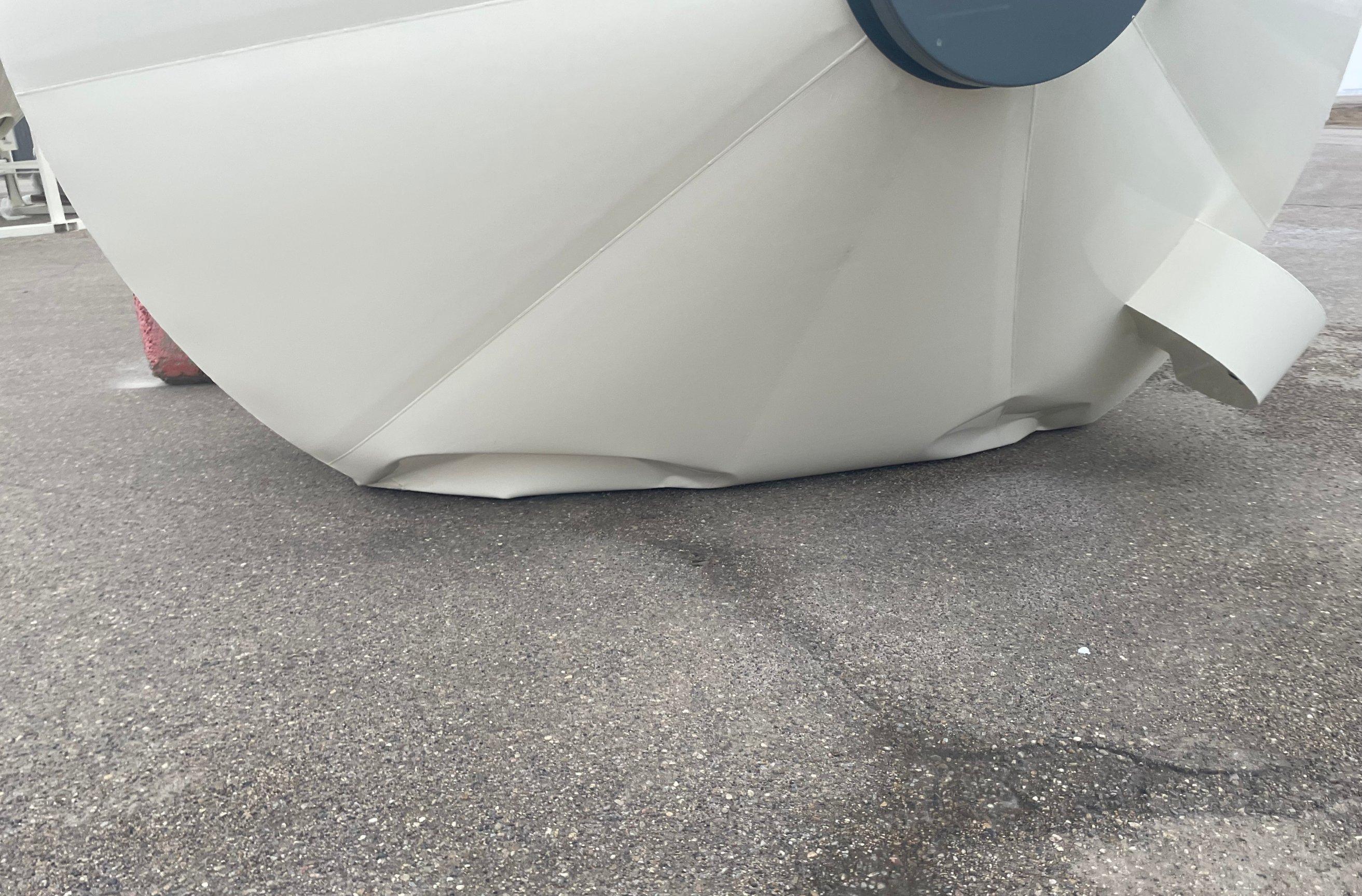
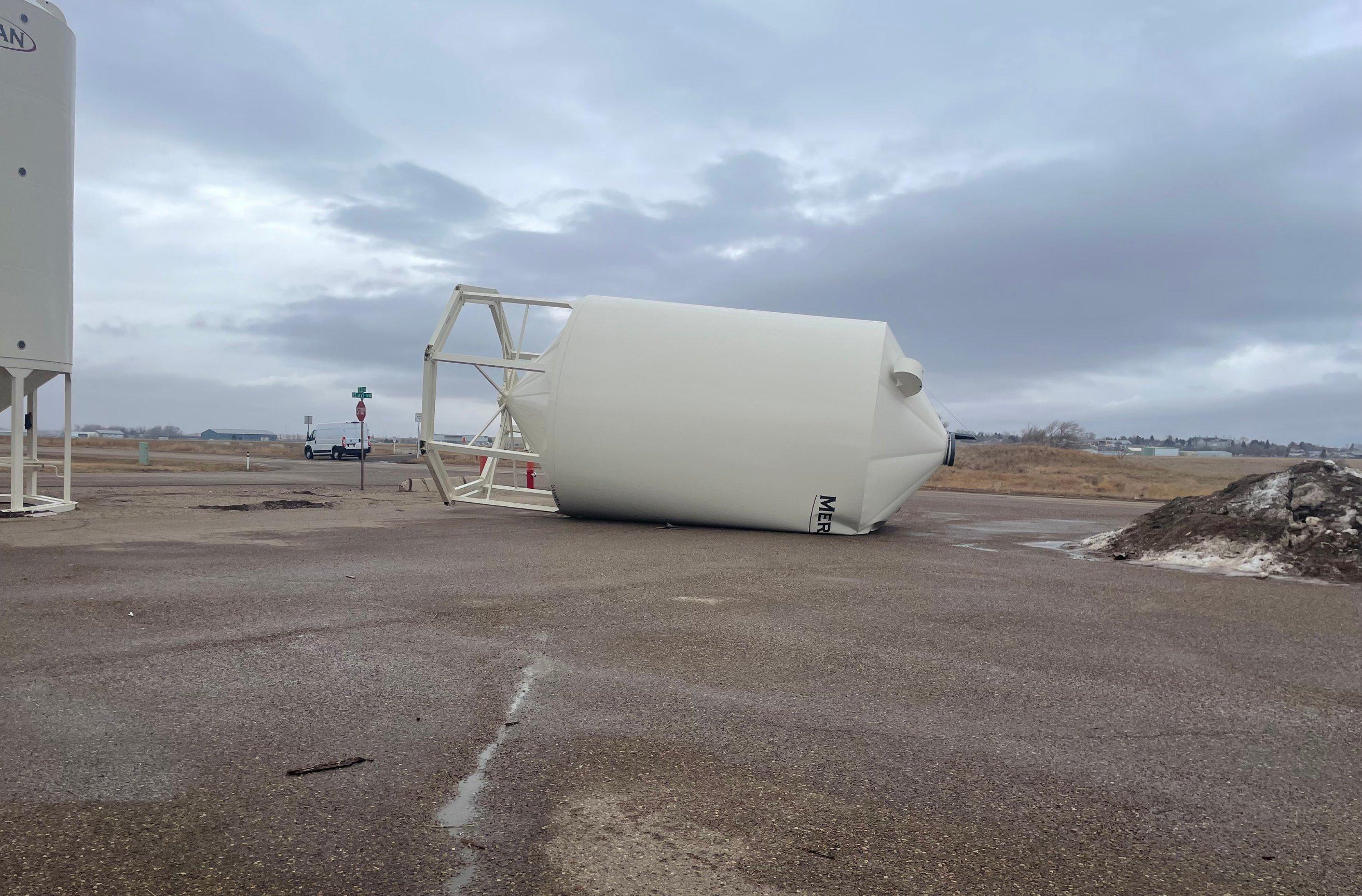
Smooth wall bins are a common feature across agriculture sites, industrial yards, and commercial premises. While they may appear low risk, upright bins can become serious hazards if they are not properly anchored. High winds, uneven ground, and mechanical impacts can cause unsecured bins to tip, roll, or become airborne, posing significant risks to people, property, and the environment. Anchoring Upright bins is therefore a critical but often overlooked aspect of effective site safety management.
Understanding the Risk
Upright bins have a relatively high center of gravity and a large surface area, particularly when empty or partially filled. These characteristics make them vulnerable to wind loading. Strong gusts can easily overturn bins or push them across a site, especially in exposed locations or between buildings where wind speeds can increase due to funneling effects.
When bins move unexpectedly, they can:
- Strike pedestrians or workers
- Obstruct walkways or emergency exits
- Spill waste materials, creating slip, trip, or contamination hazards
- Damage vehicles, equipment, or surrounding structures
In severe weather, unsecured bins have been known to travel considerable distances, turning into uncontrolled projectiles. This creates not just a safety risk but also a potential legal and reputational issue for organizations responsible for the site.
Protecting People and Preventing Injury
The primary reason for anchoring Upright bins is to protect people. A tipping or rolling bin can cause serious injuries, particularly if it strikes someone at height, traps limbs, or causes a secondary fall. On construction sites and industrial premises, where workers may already be exposed to multiple hazards, eliminating preventable risks is essential.
Members of the public are also at risk in shared or public-facing spaces, such as loading bays, or retail service areas. Anchoring bins demonstrates a proactive commitment to duty of care and helps organizations meet their health and safety obligations.
Weather Resilience and Extreme Conditions
In many regions, weather patterns are becoming more unpredictable, with stronger winds and more frequent storms. Sites that previously experienced few issues may now be at increased risk. Anchoring bins provides resilience against adverse weather conditions and reduces the need for last-minute reactive measures when high-wind warnings are issued.
Anchored bins remain stable even when empty, which is often when they are most vulnerable. This reduces reliance on manual intervention and lowers the risk to workers tasked with securing loose items during poor weather.
A Simple Measure with Significant Impact
Anchoring Upright bins is a simple, low-cost control measure that delivers significant safety, environmental, and operational benefits. It reduces the likelihood of accidents, protects people and property, supports compliance, and contributes to a safer, more professional site overall.
In the hierarchy of risk control, anchoring bins is a practical example of eliminating or reducing hazards at the source. By recognizing the risks associated with unsecured bins and taking appropriate action, organizations can prevent incidents before they occur—demonstrating good planning, responsible management, and a strong safety culture.