Tips from the Field
Agronomy Update | Wireworms
Wireworms are an early season pest that affects not only cereals but also lentils, potatoes, corn, sugar beets, and canola. Wireworm larvae are slender with hard, smooth, jointed bodies. They have three pairs of legs behind the head and a notched tail segment and are often brown to pale yellow. Larvae pupate mid-summer and emerge in the fall as adults. Overwintering adult click beetles will emerge in the spring to lay eggs. Hatched larvae will last 3-5 years in the soil, feeding on germinating seeds and roots, causing damage to crops.
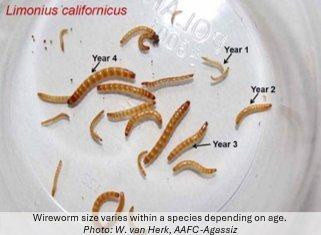
High-risk Fields
Fields with history of wireworms that have cereal crops in their rotation will be at higher risk. Similarly, grasslands that have recently been taken out of production are more likely to have higher wireworm pressure. Cool springs resulting in slower emergence could put cereal crops at risk of wireworm damage due to the longer exposure time during germination. Scout by zones in fields - headlands, lighter vs heavier soil zones, wetter vs dry zones might exhibit different pressure, scout thoroughly.
When scouting, look for uneven crop emergence, gaps or "missing plants" in seed rows, wilted or weak seedlings, or hollowed or chewed seeds and sprouts. Seedling diseases, frost or herbicide injury, seeding depth issues, or cutworms can mimic wireworm damage. To confirm if wireworms are the culprit, dig in the furrow at the patch edge to examine seeds or seedlings. Scouting
If wireworms are potentially going to be an issue, use a bait trap to confirm wireworm presence in fields. Multiple traps could be used in different zones of the field or in historically high-pressure areas. Trapping works best when soil is moist and wireworms are active near the soil surface.
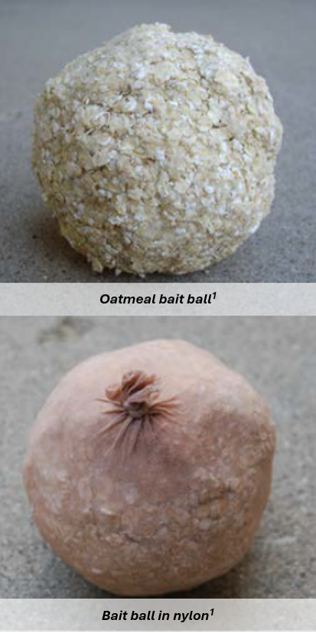
To make bait balls, mix oatmeal, honey, and water into a baseball sized ball and wrap in cheesecloth or nylon. Dig a hole approximately 2 inches deep and place the bait ball inside and cover with dirt. Mark with a flag. Wireworms are attracted to the C02 released by the ball. Come back in 7-10 days and inspect the presence of wireworm.
Management
Seed treatments containing insecticidal actives are the primary tool to protect crops if wireworms are suspected. Once wireworms have been identified in a field, it is important to manage them for the upcoming years.
For questions on wireworms, chat with your local UFA team member.
Want this resource as a PDF?